
Hailstorms are a familiar concern for homeowners in Broken Arrow, Oklahoma. When severe weather moves through the Tulsa metro area, it can leave behind damaged shingles, dented gutters, and roofing problems that aren’t immediately visible from the ground. While dealing with storm damage is stressful enough, understanding how to navigate a roof insurance claim can make the situation even more challenging.
Fortunately, knowing what to expect can help you protect your home, avoid costly mistakes, and move through the claims process with greater confidence.
At Family Tree Roofing, we help Broken Arrow homeowners identify hail damage, understand their roofing repair options, and gather the documentation needed when working with insurance companies.
Step 1: Inspect Your Property for Signs of Hail Damage
After a significant hailstorm, your first priority should be assessing your property for visible damage. You don’t need to climb onto your roof to identify potential warning signs.
Look for:
- Missing, cracked, or bruised asphalt shingles
- Shingle granules collecting near downspouts
- Dents in metal gutters, flashing, or roof vents
- Damaged siding or window screens
- Water stains appearing on ceilings or walls
- Debris or broken roofing materials around your property
Keep in mind that hail damage isn’t always obvious. Even relatively small impacts can compromise roofing materials, potentially allowing moisture to penetrate beneath the shingles over time.
A professional roof inspection can identify problems that may otherwise go unnoticed.
Step 2: Document the Damage Before Filing a Claim
Proper documentation is one of the most important parts of a successful roof insurance claim.
Before making permanent repairs, photograph any visible damage around your property. Include close-up images of damaged materials and wider photographs showing the affected areas.
You should also record:
- The date and approximate time of the hailstorm
- Any visible interior water damage
- Damaged gutters, siding, windows, or outdoor structures
- Receipts for emergency protective measures
- Notes from a professional roofing inspection
Keep these records organized in one location so they’re readily available when your insurance company requests additional information.
If your roof is leaking, arrange necessary temporary protection to prevent further damage. Save all related receipts.
Step 3: Schedule a Professional Hail Damage Roof Inspection
Before proceeding with an insurance claim, having a qualified roofing contractor assess your roof can help you understand the extent of the damage.
An experienced contractor can distinguish between normal roof aging, previous deterioration, and damage consistent with a recent hailstorm.
During an inspection, the contractor may evaluate:
- Shingle integrity and impact marks
- Ridge caps, flashing, and ventilation components
- Roof penetrations and vulnerable sealing points
- Gutters and drainage systems
- Signs of moisture intrusion beneath the roofing system
Family Tree Roofing provides roofing inspections and repair recommendations for homeowners throughout Broken Arrow and surrounding Oklahoma communities.
A detailed inspection can also help determine whether localized roof repairs may be sufficient or whether a more extensive replacement should be considered.
Step 4: Review Your Homeowners Insurance Policy
Most standard homeowners insurance policies provide some protection against hail damage. However, coverage depends on your specific policy, deductible, exclusions, and the condition of your roof.
Before filing your claim, review the following:
Wind and hail deductible: Some Oklahoma policies include a separate deductible for wind or hail damage, often calculated as a percentage of the home’s insured value.
Replacement cost coverage: This generally helps pay the covered cost of replacing damaged roofing materials, subject to policy requirements and deductibles.
Actual cash value coverage: This accounts for depreciation, meaning older roofing materials may receive a lower payment.
Cosmetic damage exclusions: Some policies exclude damage that affects appearance without compromising functionality.
Understanding these details can help you estimate your potential out-of-pocket expenses and avoid surprises during the claims process.
Step 5: File Your Roof Insurance Claim
Once you’ve documented the damage, reviewed your coverage, and determined that filing a claim is appropriate, contact your insurance provider.
You’ll typically need to provide your policy information, the storm date, a description of the damage, and any available photographs or inspection findings.
Your insurance company will generally assign a claims adjuster to inspect the property and evaluate the damage.
When the adjuster visits, make sure all affected roofing components are considered. Providing the contractor’s inspection findings and repair estimate can help ensure relevant damage is documented.
Remember that your roofing contractor and insurance adjuster have different responsibilities. The contractor evaluates roofing conditions and repair requirements, while the insurance company determines coverage under your policy.
Step 6: Understand the Insurance Estimate and Settlement
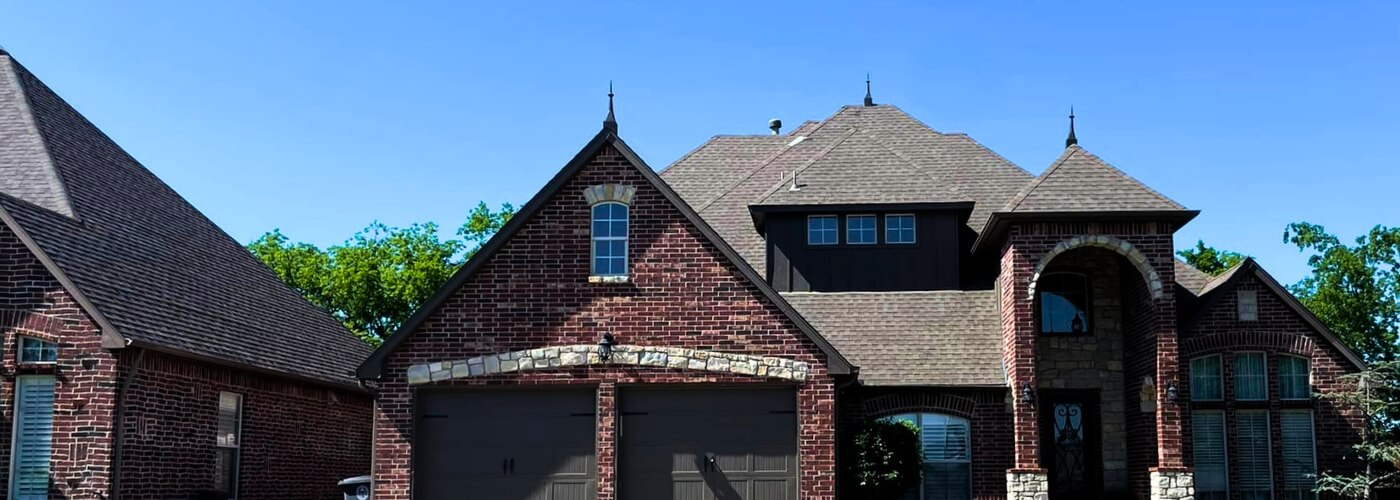
After the inspection, your insurer will issue a claim decision and, when applicable, an estimate outlining covered repairs.
Review the estimate carefully and compare it with your roofing contractor’s assessment.
Pay attention to details such as:
- Roofing materials included in the estimate
- Labor and removal costs
- Flashing, vents, and other roof components
- Applicable depreciation
- Your deductible
- Any required documentation for additional damage
If your contractor discovers covered damage that wasn’t included in the original estimate, additional documentation may support a supplemental review.
Depending on your policy, you may receive an initial payment followed by additional funds after repairs are completed and the required documentation is submitted.
Step 7: What If Your Hail Damage Claim Is Denied?
A denied insurance claim doesn’t necessarily mean you have no options.
Claims may be denied because an insurer attributes the damage to ordinary wear and tear, determines it doesn’t meet coverage requirements, or concludes that the evidence doesn’t support the reported loss.
If your claim is denied, request a written explanation and review the specific policy provisions cited.
You can also ask your roofing contractor to provide additional photographs, inspection notes, or repair documentation. If appropriate, request reconsideration or another inspection.
Family Tree Roofing also offers denied insurance claim assistance as part of its roofing services.
For unresolved disputes, homeowners can contact the Oklahoma Insurance Department for consumer assistance.
Step 8: Complete Roof Repairs Before Damage Gets Worse
Once the claim has been reviewed and the necessary repairs are approved or otherwise arranged, schedule the roofing work promptly.
Delaying hail damage repairs can expose your home to additional problems, including:
- Roof leaks during subsequent rainstorms
- Deterioration of exposed roofing materials
- Moisture damage to roof decking
- Interior ceiling and insulation damage
- Increased long-term repair expenses
Depending on the extent of the damage, your roof may require individual shingle replacement, flashing repairs, or a complete roofing system replacement.
Working with a local roofing contractor helps ensure the recommended solution addresses both visible damage and underlying roofing concerns.
Trust Family Tree Roofing for Hail Damage Roof Repairs in Broken Arrow, OK
Navigating a roof insurance claim after hail damage doesn’t have to be overwhelming. With thorough documentation, a professional inspection, and a clear understanding of your policy, you can make informed decisions about protecting your home.
At Family Tree Roofing, we’re committed to helping homeowners throughout Broken Arrow, Tulsa, Bixby, Owasso, and surrounding Oklahoma communities recover from storm-related roofing damage.
Whether you need a hail damage inspection, emergency repairs, or a complete roof replacement, our team is ready to help you determine the next steps.