
A new roof is one of the biggest investments you’ll make in your home, so it should start with facts, not a sales pitch. Family Tree Roofing inspects your roof first, tells you honestly whether replacement is the right call, and explains your material options before any work is scheduled.
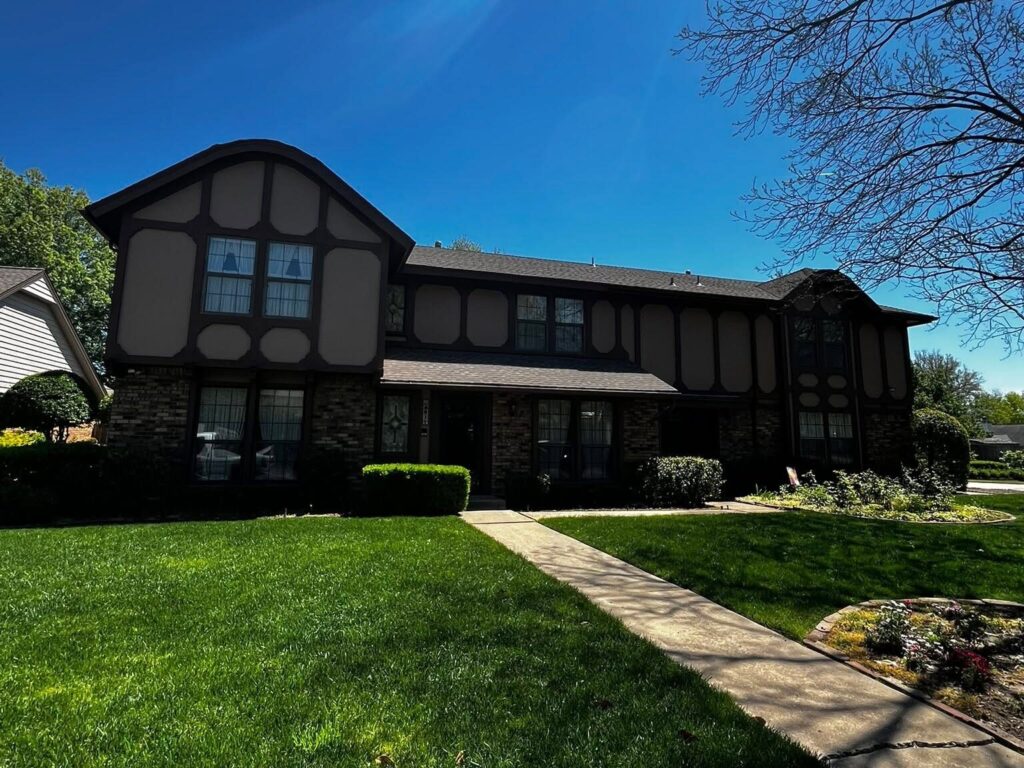
Signs it may be time to replace your roof
Some problems can be repaired. Others show that the roof as a whole is near the end of its service life. These are the signs we look for during an inspection:
- Age. How long an asphalt shingle roof lasts depends on the product, the installation, the attic ventilation and the weather it has been through. An older roof showing several of the other signs below is usually a replacement candidate.
- Widespread granule loss. Bald patches on shingles, or heavy granules in gutters and at downspouts, mean the shingles are losing their protective surface.
- Curling, cracking or missing shingles across large areas of the roof rather than in one spot.
- Repeated leaks in different places, or leaks that return after repairs.
- Soft or sagging areas, which can point to damaged decking underneath the shingles.
- Hail or wind damage over large sections of the roof. Storm damage is common in northeastern Oklahoma and is often hard to see from the ground.
Repair or replace? An honest answer first
If your roof has a localized problem and the rest of it is in good shape, a roof repair is often the better value, and we’ll tell you so. Replacement makes sense when damage or wear is spread across the roof, when repairs keep adding up, or when the decking and underlayment beneath the shingles need attention. After the inspection you’ll get a clear explanation of what we found, with photos, so you can make the decision with confidence.
What a roof replacement includes
- Free inspection and measurements. We document the roof’s condition, measure it, and check ventilation and flashing.
- A written estimate with your options. You’ll see what’s included and the material choices available, explained in plain language.
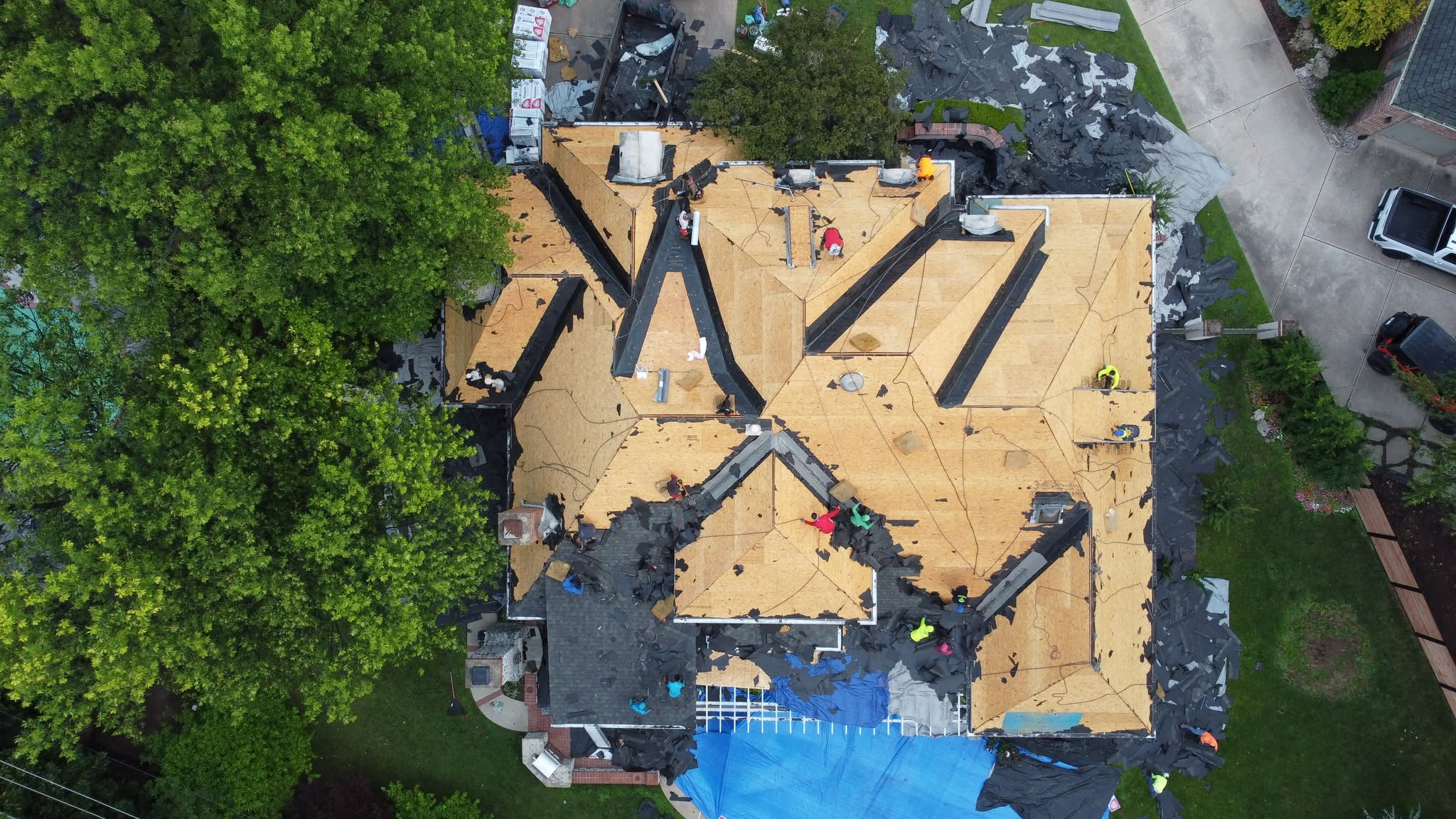
- Tear-off to the roof deck. Removing the old roofing lets us inspect the decking and replace damaged sections instead of covering problems up.
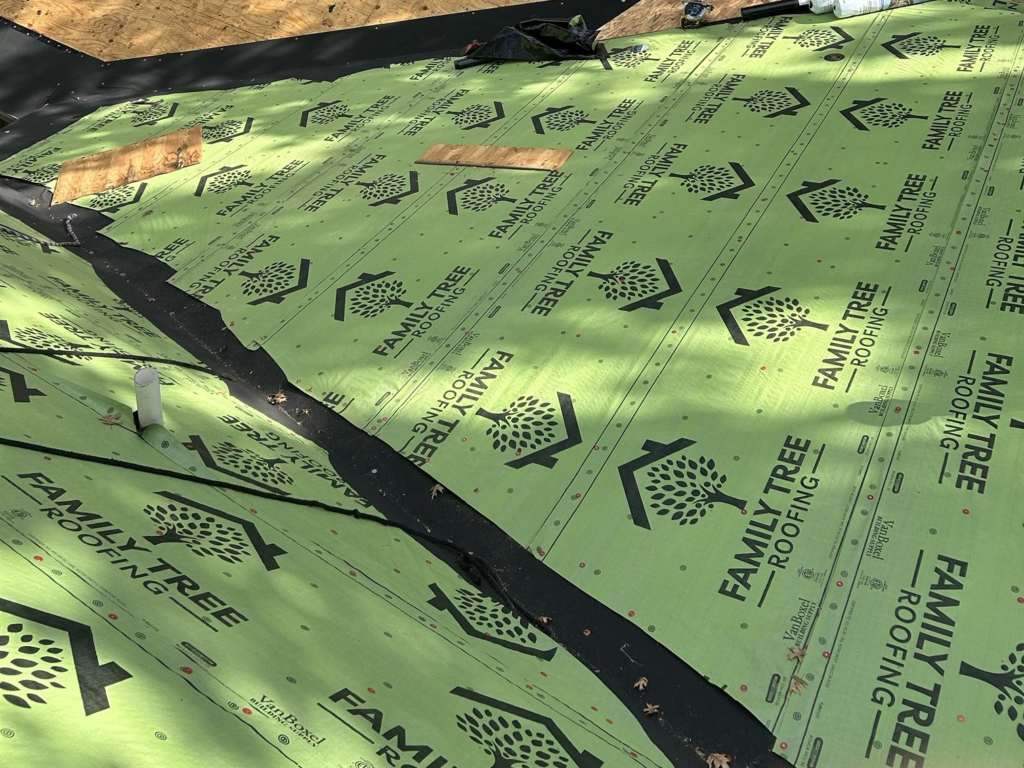
- New underlayment, valley protection and flashing. Ice-and-water shield goes in the valleys, and at the eaves as well when it is appropriate or you ask for it. We strongly prefer installing new step flashing rather than reusing deteriorated metal, and we size the attic ventilation as part of the estimate.
- Shingle installation to manufacturer specifications, which matters for how the roof performs and for the manufacturer’s warranty terms.
- Cleanup and a final walkthrough so you can see the finished work and ask questions.
Due for a new roof? Start with a free inspection.
Tell us what is going on and we will set a time that works for you. No pressure, no obligation — just clear answers from a local, family-owned team.
Related: roof repair or FORTIFIED Roof.
Our installation standards
We believe in installing roofing systems, not just roofs. A roof is only as good as what sits under the shingles, so this is where we spend the extra time:
- Complete tear-off to the bare decking. We take the old roofing off entirely, then inspect the deck and replace anything damaged or unsuitable rather than covering it up.
- Protected valleys. Ice-and-water shield goes in the valleys, where water concentrates. We can add ice-and-water protection at the eaves too, following code, the manufacturer’s instructions and the scope we agree with you.
- Valley options. Open metal or closed valleys, depending on the roofing system and the shape of your roof. We will show you both and explain the trade-offs.
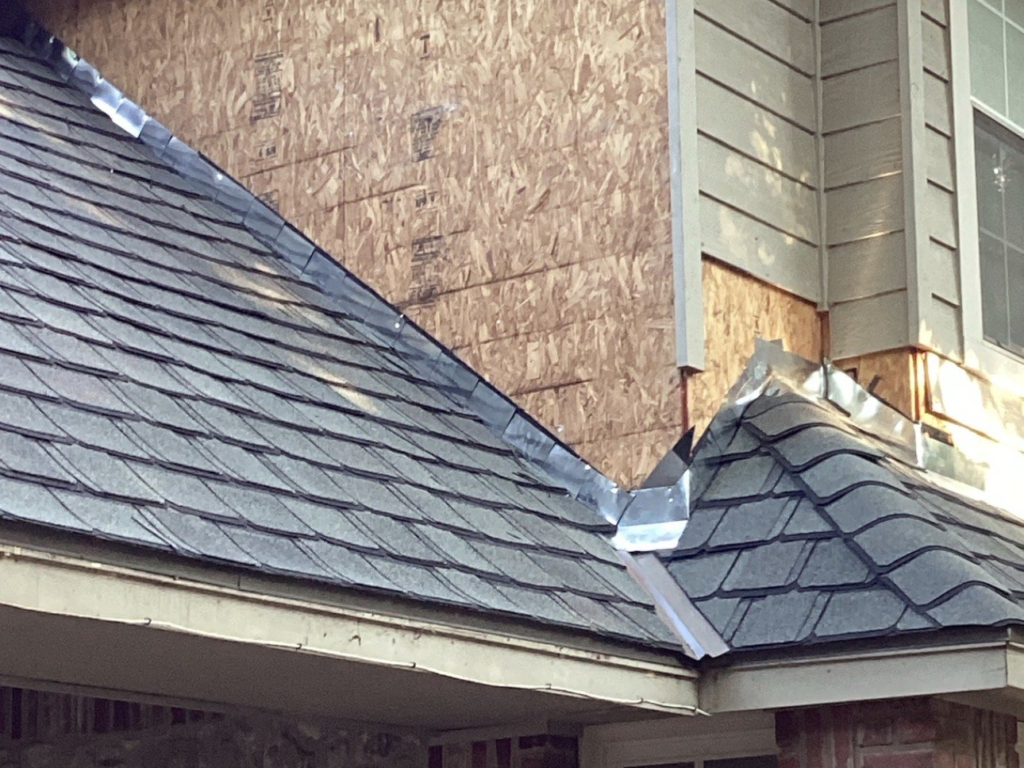
- New step flashing. Where a roof meets a wall, we would rather install new step flashing than rely on metal that is already corroding. Doing it properly can mean removing or repairing siding, or painting afterwards, and we would rather handle that than rush past it. If you decide to keep existing flashing, we will tell you plainly what that means for the warranty.
- Ventilation calculated, not guessed. We work out the intake and exhaust your attic needs, recommend improvements where they are warranted and price them with the estimate. See attic ventilation.
- Documented as we go. Our project manager, Kevin, manages the job on site, checks the workmanship and photographs the stages, usually 50 to 200 photos on a replacement, so you can see the work that went in under the shingles. When jobs overlap, he coordinates supervision with our project consultants.
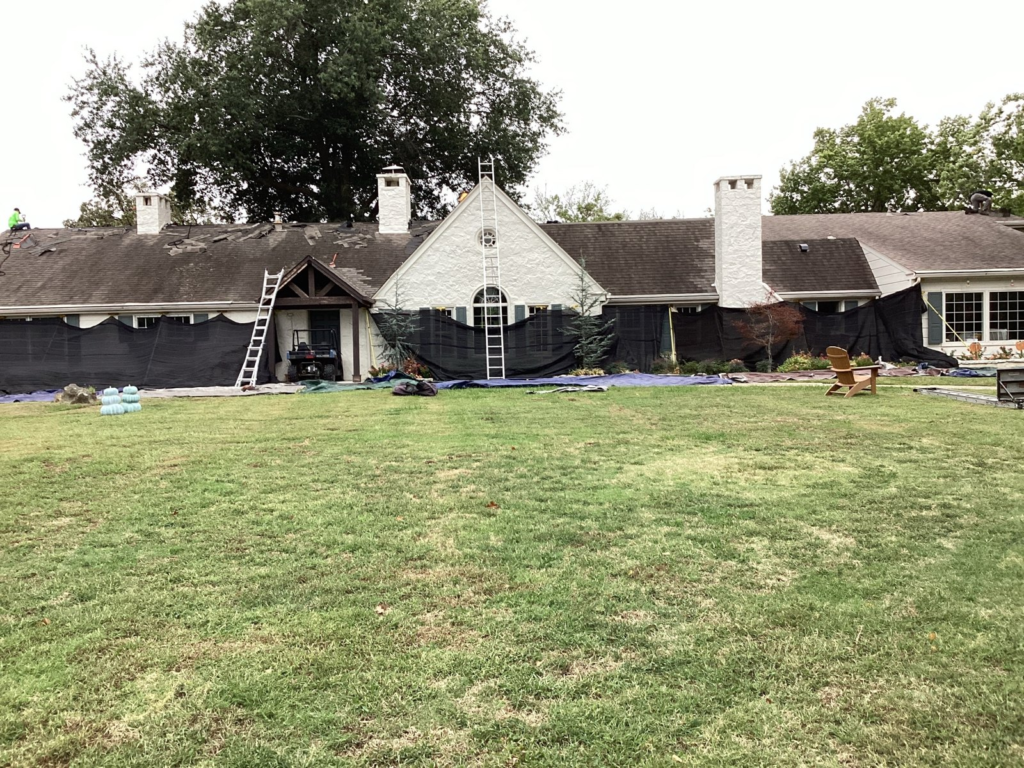
- Your property protected. We use the Catch-All system on our roofing jobs to protect landscaping and the other vulnerable areas around the house from tear-off debris.
We can work to a budget when that is what a homeowner needs. Our recommendation, though, is always the complete system, because that is what we would put on our own homes.
Warranties
We offer manufacturer warranties and a lifetime labor and workmanship warranty on qualifying roofing systems installed to our full standards. It covers the work we perform, including pipe penetrations, valleys and flashing. It is not an unconditional warranty on an entire roof regardless of what was installed: if you decline part of the necessary work, the portions we did not touch are not covered by our workmanship warranty. Your inspector goes through the written terms, the duration and whether it transfers before you sign anything.
Shingle options from Malarkey and Owens Corning
Family Tree Roofing is a Malarkey Emerald Pro Contractor and an Owens Corning Preferred Contractor. Most homeowners choose architectural (dimensional) asphalt shingles, which come in a wide range of colors and styles.
Which line we lean toward depends partly on when your roof goes on. In colder installation weather we often prefer Malarkey’s SBS-modified asphalt shingles, because the modified asphalt stays more flexible and handles better in the cold. In warmer weather we often prefer Owens Corning, for the SureNail nailing strip, the color range and how the shingles hold up to foot traffic during installation. Every manufacturer sets its own temperature and installation requirements, and we follow them either way. We have had warranty issues where both companies stood behind their products and helped put things right, which is a real part of why we use them.
Because hail is a real risk in the Tulsa area, many homeowners also ask about impact-resistant shingles. Both manufacturers offer shingles rated Class 4, the highest rating in the UL 2218 impact test. Some insurance companies offer premium discounts for impact-resistant roofs, so it’s worth asking your agent before you choose.
What affects the cost of a new roof
Every roof is different, which is why we price from an inspection instead of a guess. The main factors are:
- Roof size, steepness and the number of valleys, chimneys and other features
- How many layers of old roofing must be removed
- The condition of the decking underneath
- The shingle line you choose, including impact-resistant options
- Ventilation and flashing work needed to bring the roof system up to standard
Replacing because of a storm? Whether your policy covers storm damage is your insurance company’s decision. We inspect, photograph and estimate the work, then give you that documentation package to hand to your insurer yourself. See roof insurance claim help.
Considering a metal roof? A full replacement is the natural time to make the switch. We install standing seam and exposed-fastener metal roofing, DECRA metal shingles and tiles, and copper roofing — always on a freshly inspected roof deck, never over old shingles. See residential metal roofing for the options, the trade-offs and honest answers on hail and insurance.
Roof replacement questions
Can a new roof be installed over my old one?
Building codes limit how many layers of shingles a roof can have, and an overlay hides the decking from view. We recommend a full tear-off so damaged decking can be found and replaced and the new roof is installed on a sound base.
How long does a roof replacement take?
It depends on the size and complexity of the roof, the amount of decking that needs replacing, and the weather. We’ll give you an expected schedule with your estimate and keep you updated if weather changes the plan.
Do I need to be home during the work?
Usually not for the whole job, but we’ll want to talk with you before work starts and walk through the finished roof with you at the end. Plan to move vehicles out of the driveway and keep pets and children away from the work area.
Should I choose impact-resistant shingles?
If you’ve had hail damage before or want extra protection, Class 4 impact-resistant shingles are worth considering. They cost more than standard shingles, so we’ll show you both options and you can check with your insurance agent about any available discount.
Which shingle brand will you recommend?
Usually Malarkey or Owens Corning, and the time of year can decide it. In colder installation weather we often lean toward Malarkey’s SBS-modified shingles; in warmer weather we often lean toward Owens Corning. Your color, style and any HOA rules matter just as much, and we walk you through both lines.
Replacing your roof anyway? Ask about building it to the IBHS FORTIFIED Roof standard, with a re-nailed, sealed roof deck and reinforced edges.