
While Tulsa is best known for its warm summers and unpredictable storms, winter weather can also create serious challenges for local homeowners—especially when temperatures drop and snow begins to accumulate. One of the most problematic winter roofing issues is the formation of ice dams. Even a light snowfall followed by freezing temperatures can lead to ice buildup along the roofline, causing leaks, moisture intrusion, and damage to shingles, insulation, and gutters. By taking preventative steps early, Tulsa homeowners can significantly reduce the risk of ice dams and protect their homes throughout the colder months.
Ice dams occur when snow melts on the warmer portions of a roof and then refreezes along the colder edges near the gutters. This cycle is typically caused by uneven roof temperatures. The higher areas of the roof often stay warmer due to heat escaping from inside the home, while the roof edges remain cold. As melted snow refreezes, it creates a thick ridge of ice that traps additional meltwater behind it. With nowhere to go, that water often finds its way under shingles and into the home.
For Tulsa homeowners, ice dams may seem like a northern problem, but they can form anytime we experience a period of snow followed by freezing temperatures. Understanding how they occur is the first step to preventing them.
The most effective way to prevent ice dams is to ensure your attic has adequate insulation. When warm air escapes from the living space into the attic, it heats the underside of the roof, causing snow to melt. Proper insulation keeps warm air where it belongs—inside your home.
Key steps include:
Adding additional insulation to meet recommended R-values for Oklahoma homes
Sealing gaps around light fixtures, chimneys, vents, and attic doors
Ensuring insulation is evenly distributed without compressing or blocking ventilation
Improved insulation not only prevents ice dams but also helps lower winter heating costs.
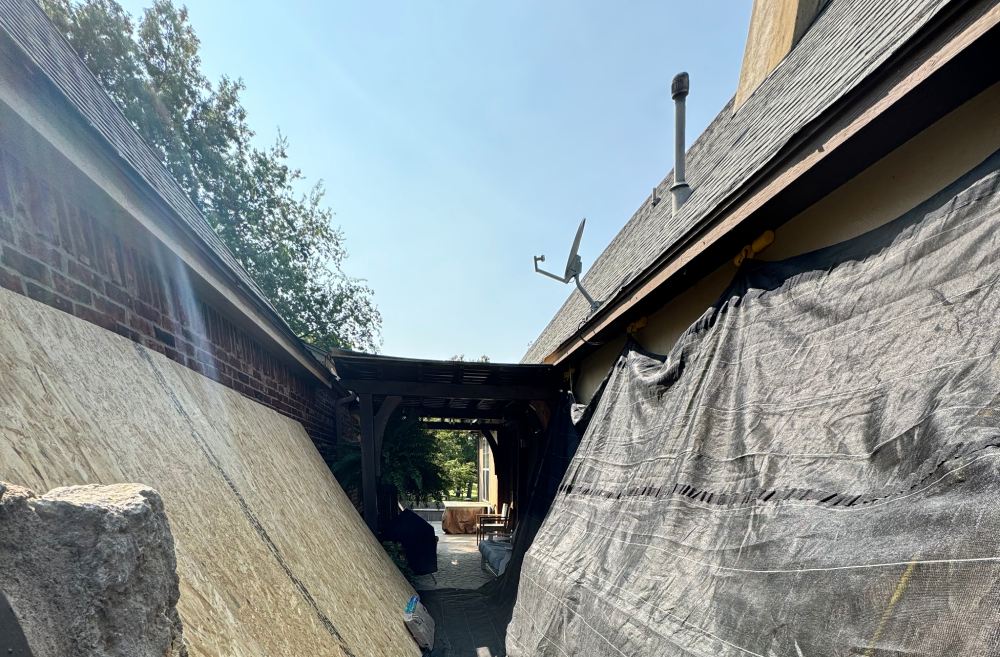
Ventilation works hand-in-hand with insulation. Even with excellent insulation, your attic must be able to maintain a consistent temperature by allowing cold air to circulate. Proper airflow keeps the underside of the roof cold, preventing snow from melting too quickly.
A well-ventilated roof typically includes:
Soffit vents that bring in cool air
Ridge vents that allow warm air to escape
Baffles to keep insulation from blocking airflow
If you’re unsure whether your roof is properly ventilated, a professional inspection can provide clarity and recommend improvements.
Clogged gutters make ice dams more likely. When leaves, dirt, and debris block the flow of water, melting snow has no way to drain properly. This trapped water is more likely to freeze at the roof edge, creating the foundation for ice dam formation.
Tulsa homeowners should have gutters cleaned at least once in late fall, especially with the amount of leaf shedding common in our region. Adding gutter guards can also help reduce buildup and improve winter drainage.
Although Tulsa doesn’t experience heavy snow every winter, when snow does accumulate, taking action can prevent ice dams. Carefully removing snow from your roof reduces the amount of meltwater that can refreeze.
Homeowners can:
Use a long-handled roof rake to pull snow off the lower sections of the roof
Avoid climbing on the roof during icy conditions
Stay clear of power lines and fragile landscaping
If snow or ice accumulation is heavy, contacting a roofing professional is the safest choice.
Ice dams often exploit weak points in the roofing system, such as worn shingles, loose flashing, and poorly sealed roof penetrations. Before winter arrives, scheduling a roof inspection helps identify vulnerabilities that may lead to leaks if ice dams form.
A professional roofer can:
Repair damaged shingles
Seal around chimneys, vents, and skylights
Reinforce flashing
Install ice and water barrier membranes in problem areas
Addressing these issues early helps your roof withstand winter moisture more effectively.
Some ice dam prevention tasks—like improving insulation or ventilation—are best handled by a qualified roofing contractor. If you notice signs of moisture in your attic, water spots on ceilings, or icicles forming along your roofline, it’s time to call a professional for inspection. Prompt attention can prevent minor issues from becoming costly repairs.
Ice dams may not be a frequent concern in Tulsa, but when conditions are right, they can cause significant damage. By improving insulation, ensuring proper ventilation, cleaning gutters, removing snow safely, and inspecting roofing components, homeowners can greatly reduce the risk. Staying proactive throughout the winter helps maintain the integrity of your roof and protects your home from unexpected leaks.
If you need help preparing your roof for winter or addressing possible ice dam issues, Family Tree Roofing is here to assist. Our team provides expert inspections, repairs, and preventive services to keep your home safe and dry—no matter the season.