
Summer in Skiatook brings plenty of sunshine, but it also means severe thunderstorms that can arrive with little warning. High winds, heavy rain, hail, and even tornadoes are common across northeastern Oklahoma, putting your roof to the test every storm season. While you can’t control the weather, you can take steps to prepare your roof and reduce the risk of costly storm damage.
At Family Tree Roofing, we help homeowners protect their roofs before severe weather strikes. Here’s how to prepare your roof for Skiatook’s summer thunderstorms.
Start with a Professional Roof Inspection
One of the best ways to prepare your roof is with a professional inspection. Minor issues that seem harmless during dry weather can quickly become major problems when exposed to strong winds and heavy rainfall.
A roofing professional will check for:
- Missing or damaged shingles
- Loose flashing
- Soft spots in the roof decking
- Worn sealant around vents and chimneys
- Signs of water intrusion
- Damaged gutters
- Loose ridge caps
Finding and repairing these issues before storm season can prevent emergency repairs later.
Replace Damaged or Missing Shingles
Shingles are your roof’s first line of defense. Even one missing shingle can allow water to penetrate the roofing system during a thunderstorm.
Inspect your roof for shingles that are:
- Cracked
- Curled
- Loose
- Missing
- Lifted by previous windstorms
Replacing damaged shingles helps restore your roof’s protective barrier and reduces the chance of leaks during severe weather.
Clean Your Gutters and Downspouts
Heavy summer rain can overwhelm clogged gutters. When water cannot drain properly, it may back up beneath roofing materials or overflow around your home’s foundation.
Before thunderstorm season:
- Remove leaves and debris
- Flush gutters with water
- Clear clogged downspouts
- Check for sagging sections
- Ensure water drains away from your home
Clean gutters help rainwater flow efficiently, protecting both your roof and foundation.
Trim Overhanging Tree Branches
Strong thunderstorm winds can snap weak tree limbs, causing serious roof damage. Even branches that don’t break can scrape against roofing materials during high winds.
Trim branches that:
- Hang directly over your roof
- Touch shingles
- Show signs of disease or decay
- Could fall during severe weather
Keeping trees properly maintained also reduces the amount of debris that ends up in your gutters.
Check Roof Flashing
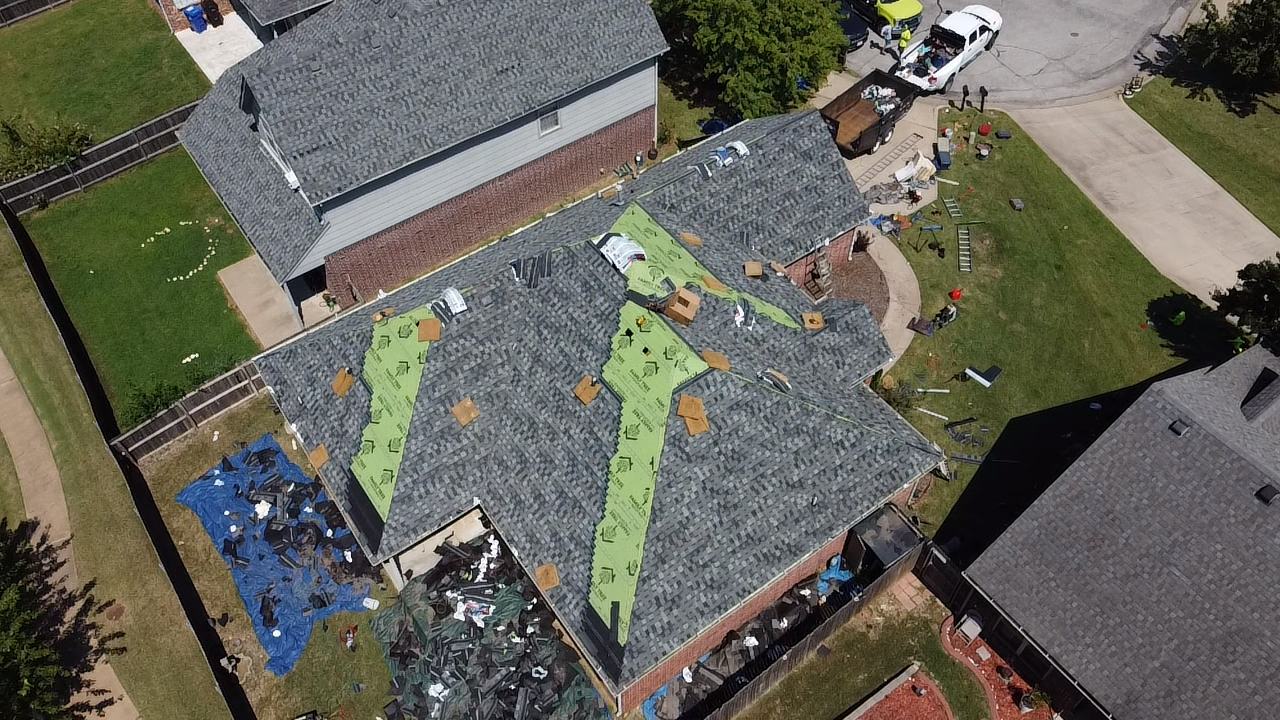
Flashing protects the areas where your roof meets chimneys, skylights, vents, and walls. If flashing becomes loose or damaged, water can easily find its way inside.
Look for:
- Loose flashing
- Rust
- Missing fasteners
- Cracked sealant
- Bent metal
Properly secured flashing is one of the most effective defenses against roof leaks during heavy rain.
Inspect Your Attic
Sometimes the earliest signs of roofing problems appear inside your home rather than on the roof itself.
Visit your attic and look for:
- Water stains
- Damp insulation
- Mold growth
- Sunlight coming through the roof
- Musty odors
These warning signs may indicate small leaks that should be repaired before thunderstorms make them worse.
Secure Loose Roofing Components
Wind can easily pull loose roofing materials away from your home.
Have a roofing contractor inspect:
- Ridge caps
- Roof vents
- Chimney flashing
- Pipe boots
- Fascia boards
- Soffits
Addressing loose components now can help prevent larger sections of your roof from being damaged during severe winds.
Review Your Homeowner’s Insurance Coverage
Before storm season begins, review your insurance policy to understand what types of roof damage are covered.
It’s also helpful to:
- Take current photos of your roof
- Keep records of previous repairs
- Save documentation from roof inspections
- Know how to contact your insurance provider
Having documentation ready can simplify the claims process if storm damage occurs.
Know What to Do After a Storm
Even if your roof appears undamaged, it’s wise to schedule an inspection after a major thunderstorm. Hail damage and lifted shingles aren’t always visible from the ground but can shorten the lifespan of your roof if left unaddressed.
After a storm:
- Stay off the roof
- Look for missing shingles from the ground
- Check ceilings for new water stains
- Inspect gutters for roofing granules
- Schedule a professional roof inspection
Early detection often means smaller, less expensive repairs.
Trust Family Tree Roofing to Help Protect Your Home
Preparing your roof before summer thunderstorms arrive is one of the smartest investments you can make as a homeowner. Routine inspections, timely repairs, and preventative maintenance help your roof withstand Oklahoma’s unpredictable weather while reducing the risk of costly damage.
At Family Tree Roofing, we proudly provide roof inspections, maintenance, repairs, and storm damage services for homeowners throughout Skiatook and the surrounding communities. Whether you want peace of mind before storm season or need repairs after severe weather, our experienced team is ready to help keep your home protected all year long.