
Siding protects your home’s walls from rain, wind and sun, and it is a big part of how your home looks from the street. Family Tree Roofing installs and replaces vinyl, fiber cement and engineered wood siding, repairs damaged siding, and handles soffit and fascia work, including siding damaged by hail and wind.
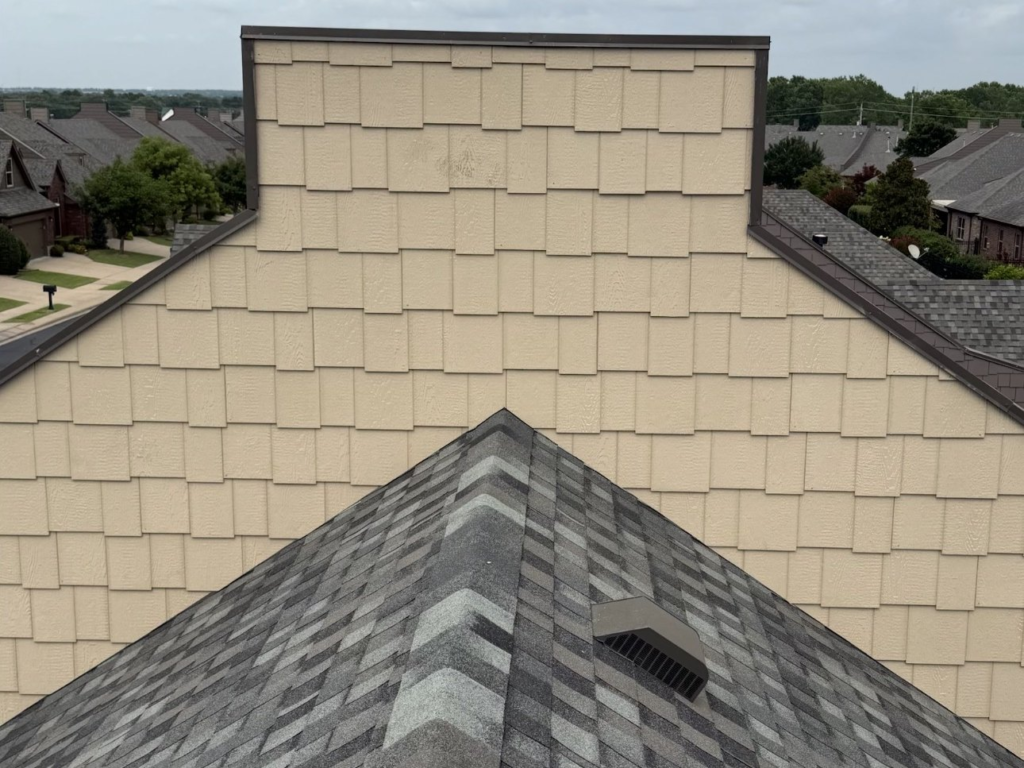
Siding materials we install
Vinyl siding
Vinyl is a cost-effective, low-maintenance option that never needs painting. It comes in a wide range of colors and profiles. It can crack or dent in hard hail, and damaged panels can usually be replaced individually if matching panels are available.
Fiber cement siding, including James Hardie
Fiber cement is a heavier, more rigid siding made from cement, sand and cellulose fibers. It resists fire, insects and rot, holds up well against impact, and can be pre-finished or painted. We install fiber cement siding, including James Hardie products.
Engineered wood siding
Engineered wood siding offers the look of real wood with treated, resin-bonded wood strands that are lighter than fiber cement and resist impact. Like any wood-based product, it needs proper installation details and finished edges to keep moisture out.
Not sure which material fits your home? We will walk you through cost, appearance, maintenance and impact resistance for each option, and give you a written estimate for the one you choose.
Siding repairs
Cracked, loose, dented or missing panels let water get behind the siding. We replace damaged pieces, re-secure loose siding, and look for the cause, such as a leaking gutter or a flashing problem, so the damage does not come back.
Storm-damaged siding replacement
Hail can crack vinyl, chip fiber cement and dent trim, and high wind can tear panels loose. After a storm, we document siding damage along with the roof and gutters, so you have one documentation package covering the whole exterior that you can give your insurance company yourself. We do not file claims or decide what is covered. See how we help with insurance claims.
Siding, soffit or fascia problem? Start with a free look.
Tell us what is going on and we will set a time that works for you. No pressure, no obligation — just clear answers from a local, family-owned team.
Related: gutters or exterior painting.
Soffit and fascia
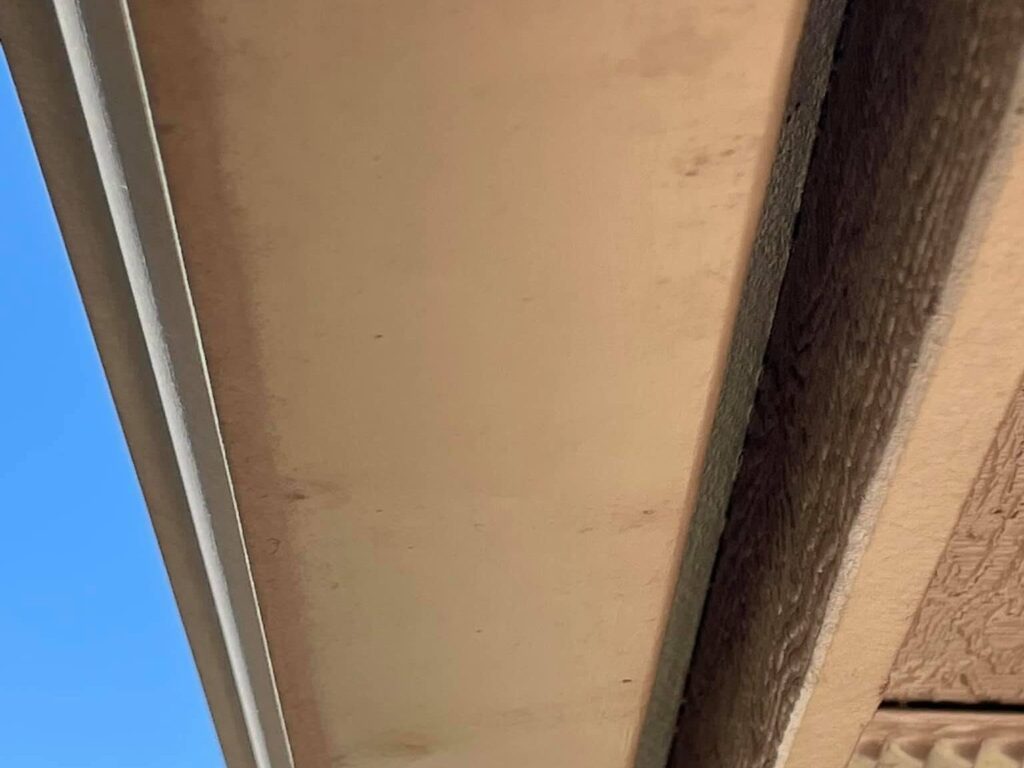
Soffit is the underside of the roof overhang, and fascia is the board along the roof edge where the drip edge and gutters attach. Damaged soffit lets in pests and weather, and rotted fascia can no longer hold gutters securely. We repair and replace soffit and fascia, and we pay close attention to vented soffit, because on many homes it is the intake half of the attic ventilation system. Exhaust vents at the ridge or on the roof only work when enough air can get in at the eaves, so blocked, painted-over or missing soffit vents are one of the things we look for when we calculate ventilation on a roofing estimate.
Where siding meets the roof
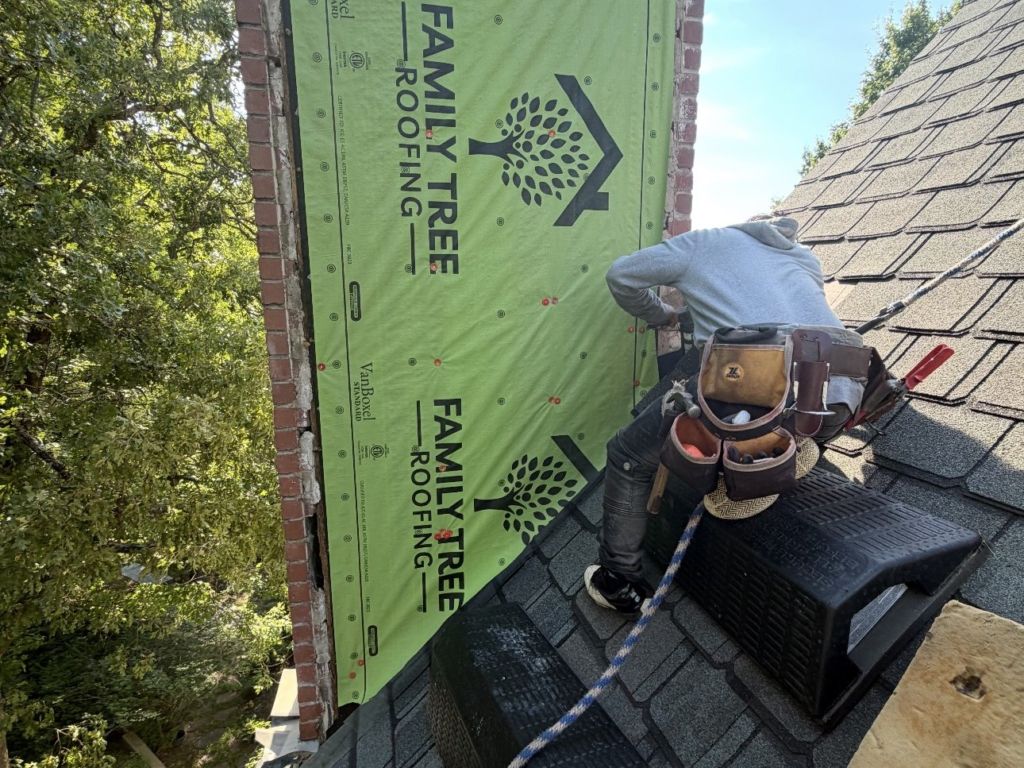
Where a roof runs into a sidewall, step flashing sits under the siding, one piece per course of shingles, and turns water back onto the roof. On a roof replacement we strongly prefer installing new step flashing rather than reusing corroded metal, and doing it properly can mean removing and resetting siding along that wall, replacing damaged pieces or painting afterward. Because we handle siding as well as roofing, that work stays with one company instead of being left for someone else to finish. If you decide to keep the existing step flashing, we explain what that means for the workmanship warranty before work starts.
Siding questions
Can you match my existing siding for a repair?
Often, yes, if the profile and color are still available. Older or faded siding may not match exactly; we will tell you what to expect before we start.
Should I replace siding and roofing at the same time?
It can make sense after a storm that damaged both, or when both are near the end of their life. Doing them together lets flashing and trim be detailed once, properly.
Is fiber cement better than vinyl?
Each has strengths. Fiber cement is more rigid and impact-resistant and can be painted; vinyl costs less and never needs paint. The best choice depends on your budget and priorities.